
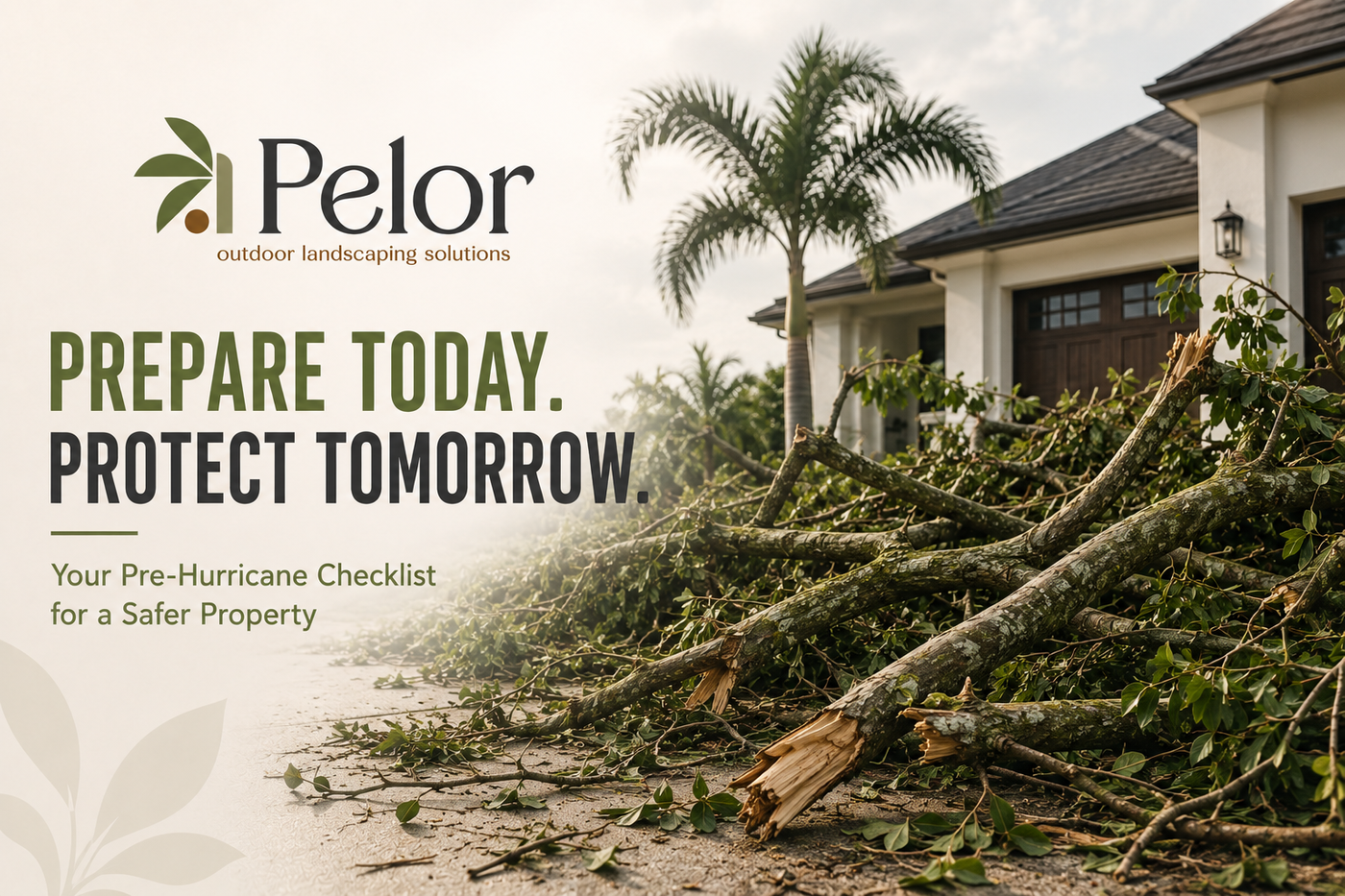
Pre-Hurricane Checklist for Central Florida Homeowners
Hurricane season in Central Florida brings strong winds, heavy rain, flying debris, and the potential for major property damage. While most homeowners focus on bottled water, batteries, and emergency kits, one of the biggest risks during a storm is often sitting right in the yard.
Overgrown trees, weak limbs, dead branches, and unsecured landscaping can quickly become dangerous when hurricane-force winds arrive.
A proactive hurricane preparation plan should include both household emergency supplies and outdoor property preparation. Proper tree trimming and landscape maintenance can significantly reduce the risk of damage to your home, vehicles, fencing, roof, and neighboring properties.
This guide provides a complete pre-hurricane checklist for homeowners in Kissimmee, St Cloud, Orlando, Davenport, Winter Garden, Clermont, and throughout Central Florida.
Key Takeaways
- Tree trimming is one of the most important steps homeowners can take before hurricane season in Central Florida.
- Dead branches, overgrown canopies, and weak trees increase the risk of storm damage.
- Preparing your landscape early helps avoid emergency service delays when storms approach.
- Outdoor preparation should include drainage checks, debris removal, and securing loose items.
- Every household should maintain emergency water, food, batteries, medical supplies, and backup power.
- Proper hurricane preparation protects homes, vehicles, fences, roofs, and surrounding properties.
- Professional tree trimming improves wind resistance and reduces the likelihood of falling limbs.
- Florida homeowners should prepare before peak hurricane activity rather than waiting for a named storm.
- Combining landscape preparation with emergency planning creates a stronger overall hurricane readiness strategy.
- Central Florida properties with mature trees require routine seasonal inspections before storm season.
Why Tree Trimming Matters Before Hurricane Season
Trees are one of the most common causes of storm-related property damage in Florida. During hurricanes and tropical storms, weakened branches can snap, entire trees can uproot, and limbs can crash onto homes, power lines, fences, and vehicles.
Preventative tree trimming helps:
- Reduce the weight and wind resistance of large canopies
- Remove dead or hazardous limbs before storms arrive
- Improve tree stability during high winds
- Prevent branches from hanging over roofs or driveways
- Protect fences, lanais, pools, and outdoor structures
- Reduce debris scattered across the property during storms
In many cases, storm damage that appears sudden was actually caused by long-term neglect, diseased branches, root instability, or overgrowth that should have been addressed before hurricane season.
Signs Your Trees Need Attention Before a Storm
Homeowners should inspect their trees for:
- Dead or hanging branches
- Cracks in major limbs
- Trees leaning unusually
- Branches touching the roof
- Limbs hanging over power lines
- Dense canopies that catch heavy wind
- Mushroom growth or visible decay near roots
- Palm fronds that are dead or loose
If any of these signs are present, scheduling professional trimming before a storm warning is issued is critical.
The Importance of Early Hurricane Preparation
One of the biggest mistakes homeowners make is waiting until a hurricane is already approaching.
Once a tropical storm or hurricane enters the forecast cone:
- Tree service companies become booked quickly
- Emergency supply shelves empty fast
- Fuel stations develop long lines
- Hardware stores run out of generators, tarps, and batteries
- Storm preparation becomes rushed and stressful
The best time to prepare your property is before peak hurricane activity begins.
For Florida homeowners, that means:
- Scheduling tree trimming early in the season
- Cleaning up landscaping before storms form
- Inspecting drainage systems regularly
- Restocking emergency supplies ahead of time
Complete Pre-Hurricane Yard and Landscape Checklist
Many Florida homeowners search questions like:
- What should I do to prepare my yard before a hurricane?
- When should trees be trimmed before hurricane season?
- Can tree trimming help prevent hurricane damage?
- What outdoor items should be secured before a storm?
- How do I protect my home landscaping during a hurricane?
The reality is that hurricane preparation starts well before a tropical system enters the forecast cone. Landscape maintenance and storm readiness go hand-in-hand throughout Central Florida.
Homeowners in Kissimmee, St Cloud, Orlando, Clermont, Davenport, Winter Garden, and surrounding areas deal with:
- Heavy summer rainfall
- Saturated soil conditions
- Strong wind gusts
- Falling tree limbs
- Flood-prone drainage areas
- Mature oak and palm tree canopies
Because of this, proactive outdoor preparation has become one of the most important parts of protecting residential property during hurricane season.
Frequently Overlooked Outdoor Storm Risks
Many homeowners focus only on supplies inside the home while overlooking exterior hazards such as:
- Weak palm fronds
- Dense oak canopies
- Loose pavers
- Clogged drains
- Overhanging branches
- Unstable fencing
- Loose yard decor
- Unsecured lawn equipment
These issues often become major sources of property damage during hurricanes and tropical storms.
1. Trim Trees and Remove Hazardous Limbs1. Trim Trees and Remove Hazardous Limbs
Tree trimming should be one of the first items completed on your hurricane preparation checklist.
Focus on:
- Removing deadwood
- Thinning dense canopies
- Eliminating weak branch unions
- Clearing limbs away from roofs and windows
- Cutting back branches near power lines
- Removing damaged palm fronds
- Addressing trees with storm damage from previous seasons
Proper pruning helps reduce wind resistance and lowers the chance of catastrophic branch failure.
2. Remove Yard Debris
Loose yard debris can become dangerous projectiles during strong winds.
Before storms arrive:
- Remove fallen branches
- Dispose of yard waste piles
- Pick up loose sticks and debris
- Secure mulch bags, soil, and lawn materials
- Store lightweight decorative items indoors
3. Secure Outdoor Furniture and Equipment
Patio furniture, grills, potted plants, and lawn tools can become airborne during hurricanes.
Secure or store:
- Patio chairs and tables
- Umbrellas
- Potted plants
- Grills
- Lawn equipment
- Garden tools
- Decorative yard items
- Trash bins
4. Inspect Drainage Areas
Flooding is a major concern in many parts of Central Florida.
Check:
- Yard drainage systems
- French drains
- Swales
- Gutters and downspouts
- Storm drains near the property
Clear debris to help water move away from the home efficiently.
5. Check Fence Stability
High winds can destroy weakened fencing.
Inspect for:
- Loose fence posts
- Rotting wood
- Leaning sections
- Missing fasteners
- Unstable gates
Address repairs before severe weather arrives.
6. Evaluate Large Trees Near Structures
Large oaks, pines, and palms close to homes should be professionally assessed if:
- They have extensive canopy spread
- Roots appear exposed
- Branches extend over roofs
- The tree previously suffered storm damage
- There are signs of disease or decay
Preventative maintenance is often far less expensive than emergency storm cleanup.
Essential Household Hurricane Supply Checklist
Outdoor preparation is only part of hurricane readiness. Every Florida household should also maintain emergency supplies.
Water
Store at least one gallon of water per person per day for several days.
Include:
- Drinking water
- Water for pets
- Extra water for sanitation and cleaning
Non-Perishable Food
Keep shelf-stable food items such as:
- Canned goods
- Protein bars
- Peanut butter
- Dry snacks
- Ready-to-eat meals
- Baby food if needed
Batteries and Flashlights
Power outages are common during hurricanes.
Stock:
- Flashlights
- Lanterns
- Extra batteries
- Portable chargers
- Backup charging banks
Generator Preparation
If using a generator:
- Test it before hurricane season
- Store fuel safely
- Review operating instructions
- Never operate indoors or in enclosed spaces
Medical and Safety Supplies
Prepare:
- First aid kits
- Prescription medications
- Important documents
- Emergency contacts
- Pet medications and supplies
Fuel and Transportation
Do not wait until the last minute to fuel vehicles.
Maintain:
- Full gas tanks
- Emergency vehicle kits
- Tire pressure checks
- Backup evacuation routes
Common Hurricane Preparation Mistakes Homeowners Make
Waiting Too Long for Tree Trimming Once storms are approaching, professional crews may be fully booked for days or weeks.
Ignoring Small Dead Branches Even smaller limbs can break windows, damage screens, or create dangerous debris.
Forgetting About Drainage Poor drainage can quickly lead to standing water and flooding around foundations.
Leaving Outdoor Items Unsecured Loose objects become major hazards during high winds.
Assuming Trees Are Healthy Without Inspection Trees can appear healthy while still having internal decay or root instability.
Why Professional Tree Trimming Is Important Before Storm Season
Tree trimming for hurricane preparation requires more than simply cutting branches.
Improper trimming can:
- Weaken tree structure
- Increase future storm damage risk
- Cause stress or disease
- Lead to uneven weight distribution
- Create dangerous regrowth patterns
Professional trimming focuses on structural integrity, wind resistance, and long-term tree health.
Experienced crews understand:
- Florida tree species
- Hurricane wind patterns
- Proper pruning methods
- Safe branch reduction techniques
- Storm risk assessment
Best Trees to Monitor Closely During Hurricane Season in Florida
Certain tree species are more vulnerable to storm damage.
Homeowners should closely monitor:
- Laurel oaks
- Water oaks
- Pines
- Queen palms
- Shallow-rooted ornamental trees
- Overgrown palms
Even strong tree species can become hazardous if neglected.
Hurricane Preparation Timeline for Central Florida Homeowners Before Hurricane Season
- Schedule tree trimming
- Inspect drainage systems
- Restock emergency supplies
- Review insurance coverage
- Test generators
When a Storm Enters the Forecast
- Secure outdoor items
- Charge electronics
- Fuel vehicles
- Trim minor loose branches if safe
- Monitor local weather alerts
24 Hours Before Landfall
- Complete outdoor cleanup
- Move vehicles to safe locations
- Bring in remaining loose items
- Finalize emergency plans
- Stay off ladders and avoid risky trimming
Frequently Asked Questions About Hurricane Preparation and Tree Trimming
Should trees be trimmed before hurricane season in Florida? Yes. Preventative tree trimming before hurricane season helps reduce weak limbs, lowers wind resistance, and decreases the likelihood of branches damaging homes, roofs, vehicles, or power lines.
When is the best time to trim trees before a hurricane? The best time is early in hurricane season before tropical systems begin developing in the Atlantic. Waiting until a storm warning is issued often limits scheduling availability.
Can overgrown trees cause more hurricane damage? Yes. Dense canopies and dead limbs catch more wind and are significantly more likely to break during severe weather.
What outdoor items should be secured before a hurricane? Patio furniture, potted plants, grills, trash bins, lawn tools, umbrellas, and decorative yard items should all be secured or brought indoors.
How can landscaping help protect a home during hurricanes? Healthy trees, proper drainage, trimmed branches, and secure outdoor areas help reduce flooding risks, debris hazards, and structural damage during storms.
What emergency supplies should Florida homeowners keep before storms? Homeowners should maintain water, batteries, flashlights, shelf-stable food, medications, generators, fuel, charging banks, first aid kits, and important documents.
Can poor drainage make hurricane damage worse? Absolutely. Clogged drains and poor grading can contribute to standing water and flooding around homes during heavy rainfall.
Are palm trees dangerous during hurricanes? Dead palm fronds and neglected palms can become hazardous in strong winds. Regular palm trimming helps reduce storm debris and improve safety.
Should homeowners remove dead branches even if they seem small? Yes. Even smaller branches can break windows, damage pool screens, or become airborne during severe weather.
Why do tree service companies get booked so quickly before storms? Many homeowners wait until a hurricane enters the forecast cone before scheduling service. Early preparation helps avoid delays and emergency pricing.
How This Hurricane Preparation Guide Supports Central Florida Homeowners
This resource is designed to help homeowners make informed storm preparation decisions based on common hurricane risks throughout Central Florida.
The recommendations in this guide are based on:
- Common hurricane damage patterns in Florida
- Residential landscape management best practices
- Preventative tree maintenance standards
- Seasonal storm preparation strategies
- Outdoor safety considerations for high-wind environments
Storm preparation is most effective when homeowners combine emergency household planning with proactive property maintenance.
Protect Your Property Before the Next Storm
Hurricane preparation involves much more than buying bottled water and batteries. Your landscape plays a major role in protecting your property during severe weather.
Tree trimming, debris removal, drainage maintenance, and outdoor preparation can significantly reduce storm-related risks.
Preparing early helps homeowners avoid emergency service delays, reduce property damage, and improve overall safety during hurricane season.
For homeowners across Central Florida, proactive landscape maintenance is one of the smartest investments you can make before hurricane season peaks.
Need help preparing your property before hurricane season?
Professional tree trimming and landscape preparation can help reduce storm damage risks and improve safety around your home. Schedule preventative maintenance early before severe weather arrives and service schedules fill up. Visit www.pelor.com or call 407-738-1146 today!