Looking for the best plants for a living privacy fence in Central Florida? Discover 5 heat and frost tolerant hedges like clusia, bamboo, and podocarpus for fast, dense coverage.
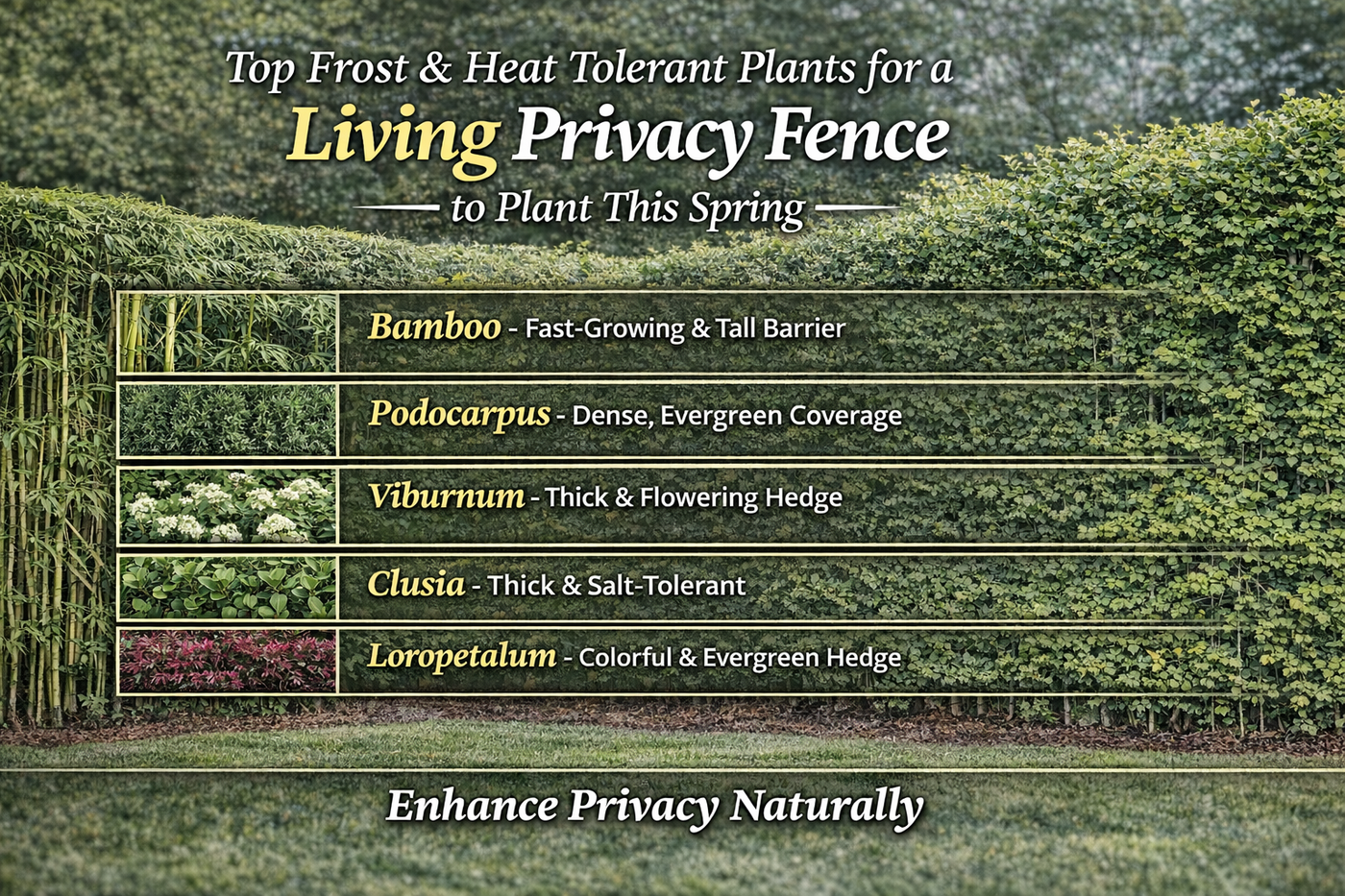
5 Best Plants for a Living Privacy Fence in Central Florida (Heat & Frost Tolerant)
Why Choose a Living Privacy Fence?
In Central Florida, privacy is one of the top concerns for homeowners, especially in growing communities around Kissimmee and Orlando. A living privacy fence offers a natural, attractive solution that blocks views, reduces noise, and enhances curb appeal.
Unlike traditional fencing, these plants grow fuller over time, creating a lush, green barrier that fits Florida’s climate perfectly.
Spring is the ideal time to plant, allowing strong root development before summer heat.
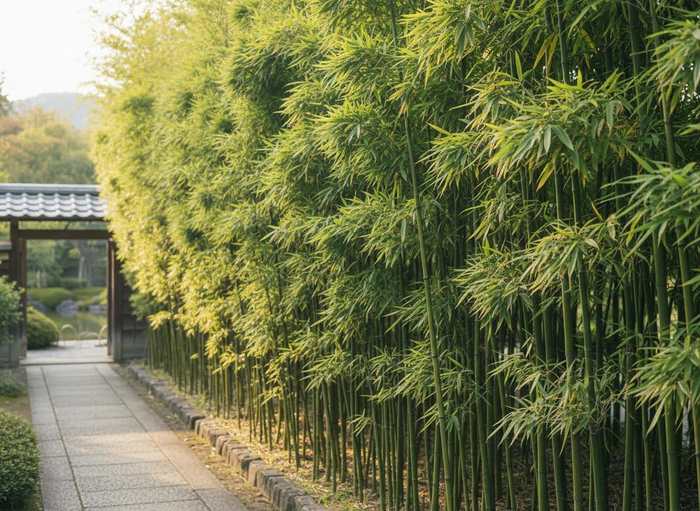
1. Bamboo: Fastest Growing Privacy Screen
Bamboo is the go-to option when homeowners want privacy fast.
Why bamboo works in Central Florida:
- Rapid growth rate compared to traditional hedges
- Can reach full screening height in a short timeframe
- Performs well in heat and humidity
Best use:
Large properties, rear fence lines, or areas where immediate height is needed
Planting tip:
Stick with clumping bamboo varieties to avoid invasive spreading.
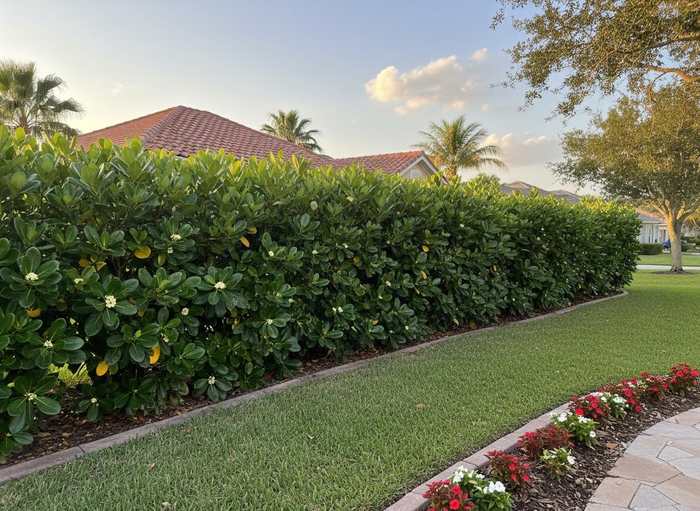
2. Clusia: The Most Popular Privacy Hedge in Florida
Clusia has become one of the most requested privacy hedge plants across Central Florida.
Why clusia stands out:
- Thick, leathery leaves create near-total visual blockage
- Extremely tolerant of heat, drought, and coastal conditions
- Low maintenance once established
Best use:
Primary hedge for residential properties and new developments
SEO keyword target: clusia hedge Central Florida
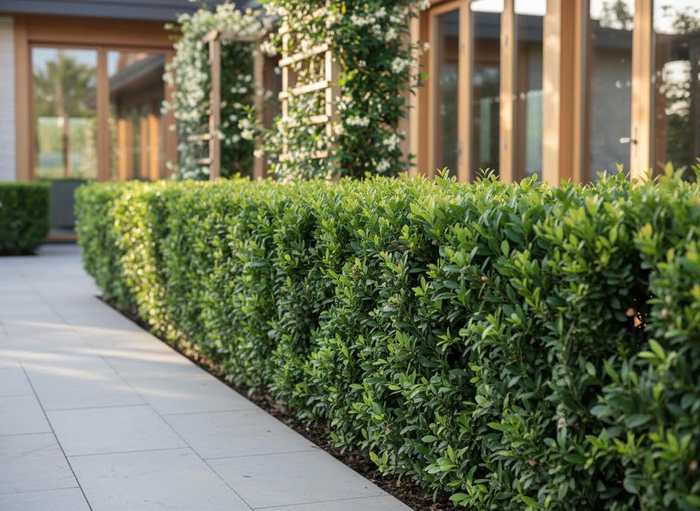
3. Podocarpus: Clean, Modern Privacy Lines
Podocarpus is ideal for homeowners looking for a more structured, upscale appearance.
Why it works:
- Naturally grows upright and dense
- Handles trimming and shaping very well
- Maintains a clean, polished look year-round
Best use:
Side yards, property lines, and formal landscape designs
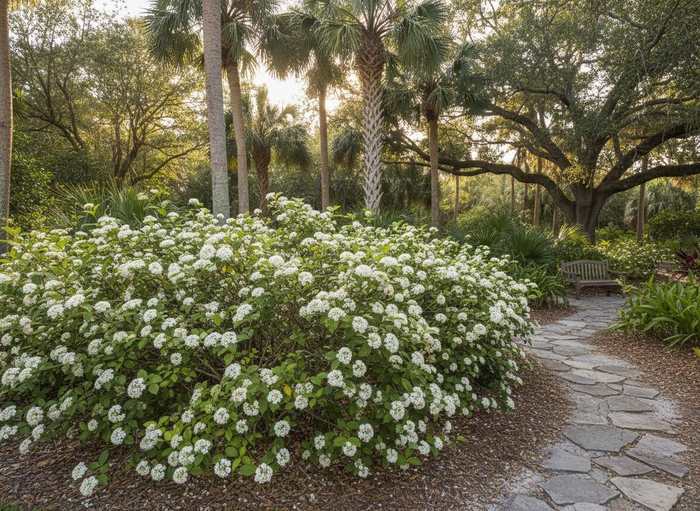
4. Viburnum: Full, Fast, and Reliable Coverage
Viburnum is one of the most dependable hedge plants for filling in space quickly.
Why viburnum performs well:
- Fast-growing and dense
- Produces seasonal flowers for added curb appeal
- Excellent for creating thick, full hedges
Best use:
Core layer in privacy hedge systems
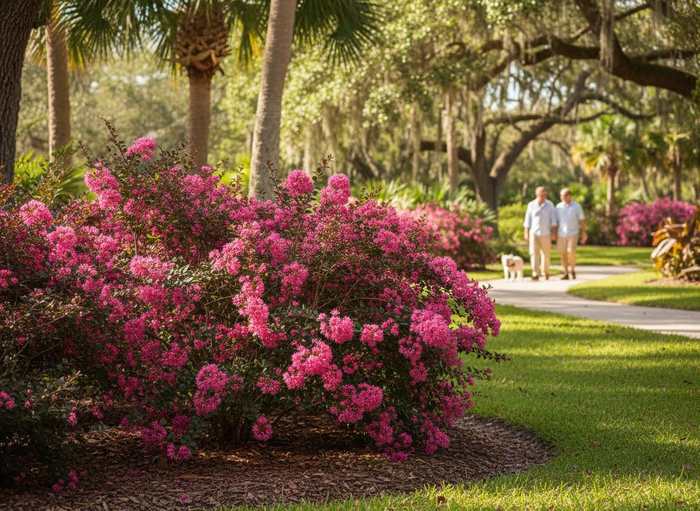
5. Loropetalum: Add Color Without Losing Privacy
Loropetalum brings something most privacy hedges lack: visual contrast.
Why it works:
- Deep red and purple foliage stands out
- Evergreen and compact growth
- More cold-tolerant than many tropical plants
Best use:
Accent layer or front-facing hedge for added design value
Frequently Asked Questions About Living Privacy Fences in Central Florida
What is the best plant for a privacy hedge in Central Florida?
The best plant depends on your goal, but Clusia, Podocarpus, and Viburnum are the most reliable for dense, long-term privacy.
- Clusia is best for full visual blockage
- Podocarpus offers a clean, structured look
- Viburnum fills in quickly for faster coverage
For faster height, bamboo is a strong option when properly contained.
How long does a living privacy fence take to grow?
Most privacy hedges in Central Florida take 6 to 18 months to establish noticeable coverage, depending on plant size and spacing.
- Bamboo can provide partial privacy in months
- Clusia and Viburnum typically fill in within 1 year
- Full density usually takes 12 to 24 months
Proper spacing and maintenance significantly speed up results.
What is the fastest growing privacy plant in Florida?
Bamboo is the fastest growing privacy plant available in Central Florida.
Clusia and Viburnum are also considered fast-growing compared to other hedge options and provide more controlled, long-term structure.
How far apart should privacy hedge plants be planted?
Spacing depends on the plant type, but general guidelines are:
- Clusia: 3 to 5 feet apart
- Viburnum: 4 to 6 feet apart
- Podocarpus: 2 to 4 feet apart
- Bamboo: varies by species
Tighter spacing leads to faster privacy but requires more plants upfront.
What is the lowest maintenance privacy hedge?
Clusia and Podocarpus are among the lowest maintenance options.
- Clusia requires minimal trimming once established
- Podocarpus holds shape well with occasional pruning
Both handle Florida heat and drought conditions with ease.
Can privacy hedges survive cold weather in Central Florida?
Yes, but plant selection matters.
The plants listed in this guide are both heat and frost tolerant, making them ideal for Central Florida’s occasional winter cold snaps.
Loropetalum, Podocarpus, and Viburnum all handle cooler temperatures well.
How do you make a privacy hedge grow thicker?
To create a dense hedge:
- Trim regularly to encourage lateral growth
- Plant at proper spacing
- Water consistently during establishment
- Use layered planting (multiple plant types)
A professionally designed hedge will always fill in faster and more evenly.
Is a living privacy fence better than a traditional fence?
In many cases, yes.
A living privacy fence:
- Improves curb appeal
- Increases property value
- Provides natural cooling and noise reduction
- Lasts longer with proper maintenance
It’s also more visually appealing than standard wood or vinyl fencing.
When is the best time to plant a privacy hedge in Florida?
The best time is spring through early summer.
This allows plants to:
- Establish strong roots
- Adapt before peak summer heat
- Grow faster during the active season
How to Build a Privacy Hedge That Actually Works
Most homeowners make one mistake: planting a single row and expecting full coverage.
The best results come from layered hedge design.
Recommended Layout:
- Back layer: Bamboo for height
- Main layer: Clusia or Viburnum for density
- Structure: Podocarpus for clean lines
- Accent: Loropetalum for color
This approach creates:
- Faster fill-in time
- Better long-term density
- A more professional, high-end look
Common Mistakes to Avoid
- Planting too far apart (creates gaps)
- Choosing plants that can’t handle cold snaps
- Skipping regular trimming (reduces density)
- Not planning for mature size
Avoiding these mistakes can significantly improve how quickly your hedge becomes fully private.
When to Plant a Privacy Hedge in Central Florida
The best time to install a living privacy fence is:
Spring through early summer
This allows:
- Strong root establishment
- Faster initial growth
- Better resistance to summer stress
Final Thoughts
If you want a privacy solution that looks better every year and performs in Florida’s climate, a living privacy fence is one of the best investments you can make.
The key is choosing the right plants and installing them correctly from the start.
Looking to install a privacy hedge in Central Florida?
Pelor Outdoor specializes in custom-designed living privacy fences using proven plant combinations that thrive in Florida conditions.
Request a quote today and get a plan built specifically for your property.